Serving as the prime consultant to MassCEC in 2021, SGH provided structural, civil, and geotechnical engineering services and led a multidisciplinary team to perform a feasibility study and develop conceptual designs for the building expansion, including a fifty-ton crane running the length of the addition.
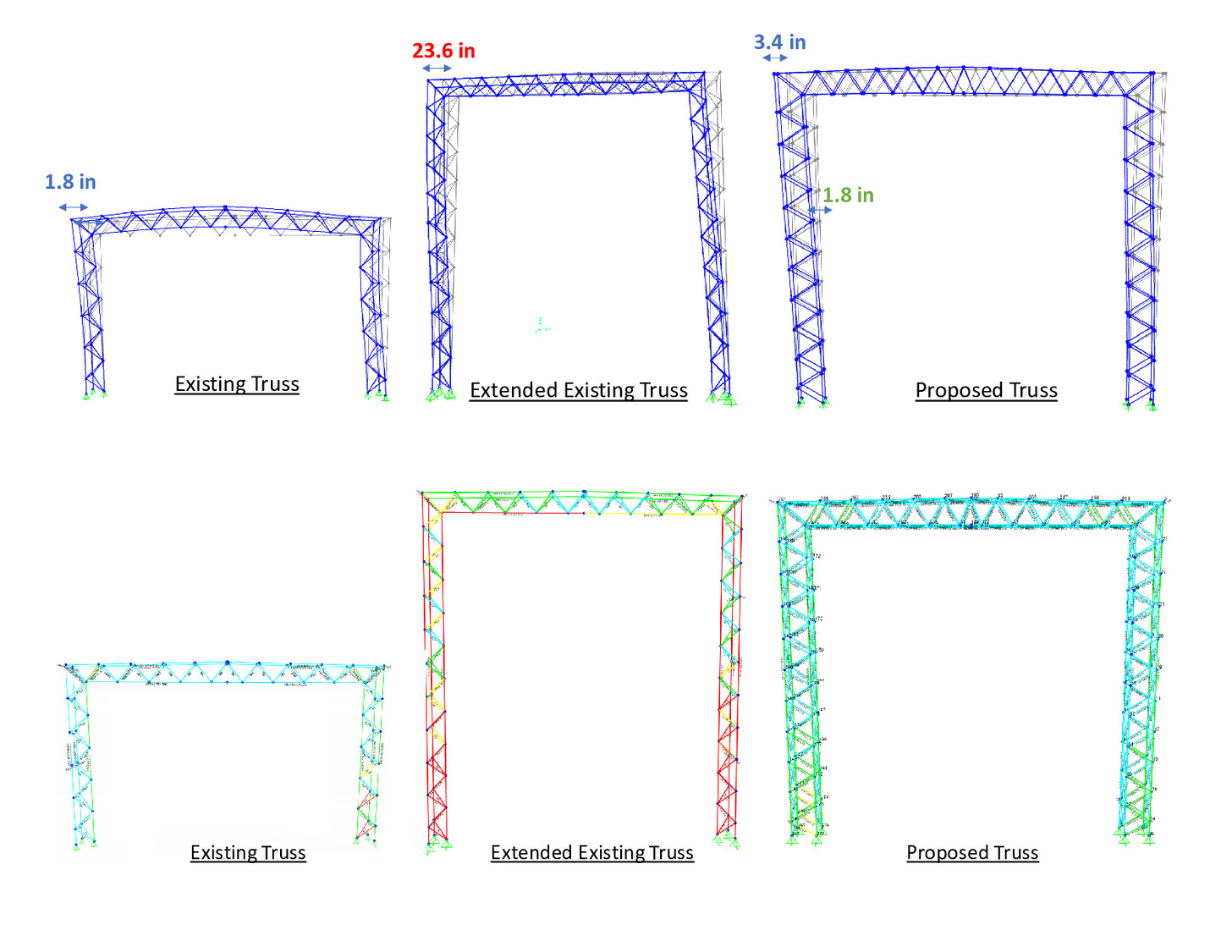
Following the study, SGH provided engineering services and coordinated with architecture, MEP, fire protection, environmental engineering, and cost estimating subconsultants to provide two expansion options and progress the preferred design, featuring 160 ft tall by 174 ft wide trussed steel frames founded on driven steel piles. The large and flexible structure required careful consideration of lateral drifts imposed by wind and seismic loads to ensure compatibility with the existing structure and meet movement tolerances for the new overhead crane. Key concepts include:
- Construction phasing to minimize disruption to ongoing testing operations
- Reducing excavation and associated impacts to existing contaminated soils
- Optimizing the structural design to achieve the required structural stiffness, while reducing steel tonnage and fabrication complexity, and minimizing land usage beyond the width of the existing building footprint
- Utilizing practical details and material selections to balance construction cost and aesthetics with the massive volume of the proposed addition
The project entered a new phase in 2024 and SGH provided structural engineering services to AECOM, including
- Conceptual structural design for expanding the existing WTTC facility to accommodate longer blades
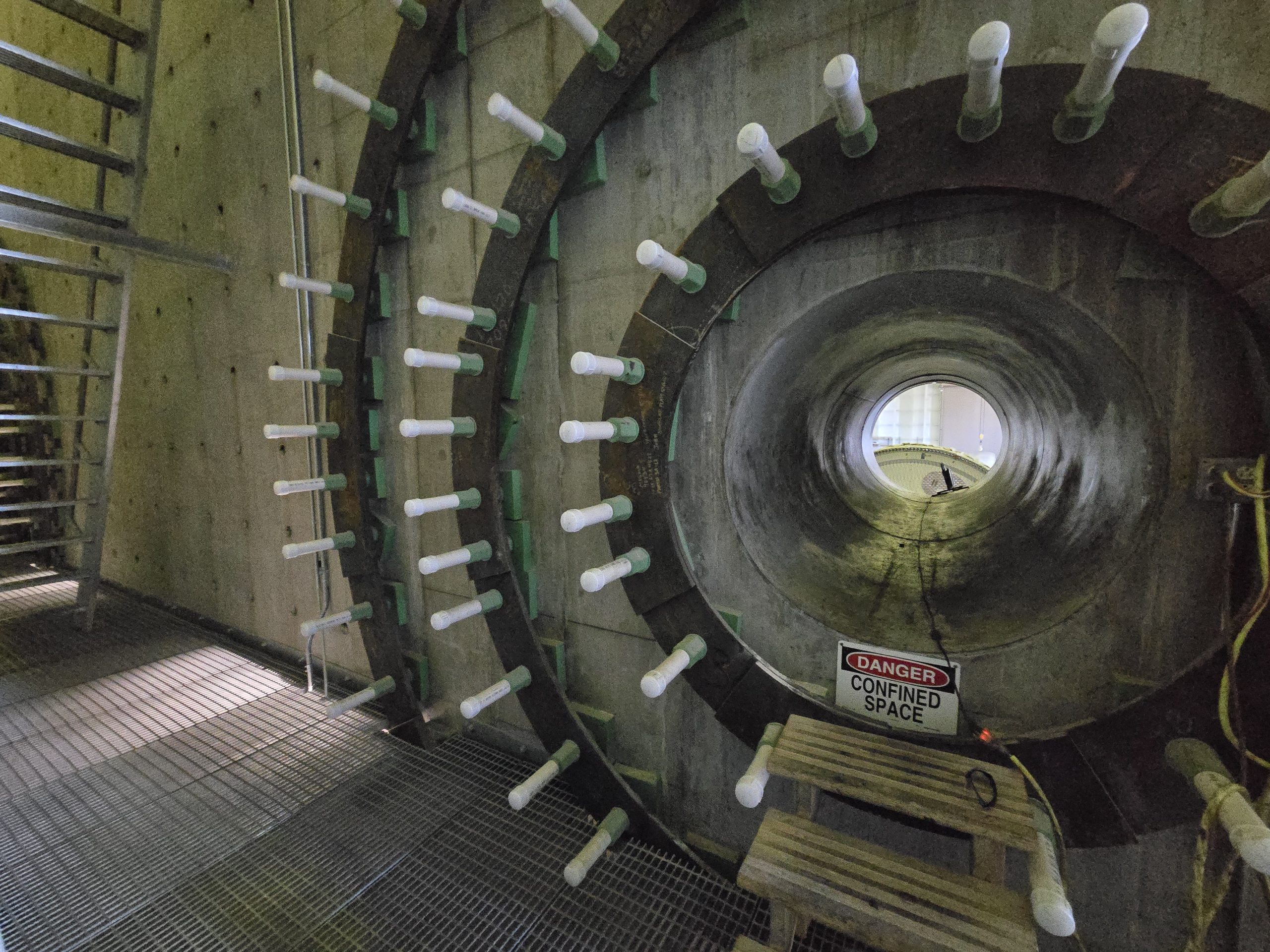
- Structural analysis and strengthening design of the existing Test Stand 2 to accommodate larger blade testing loads