New York, NY
Grand Central Terminal
Scope/Solutions
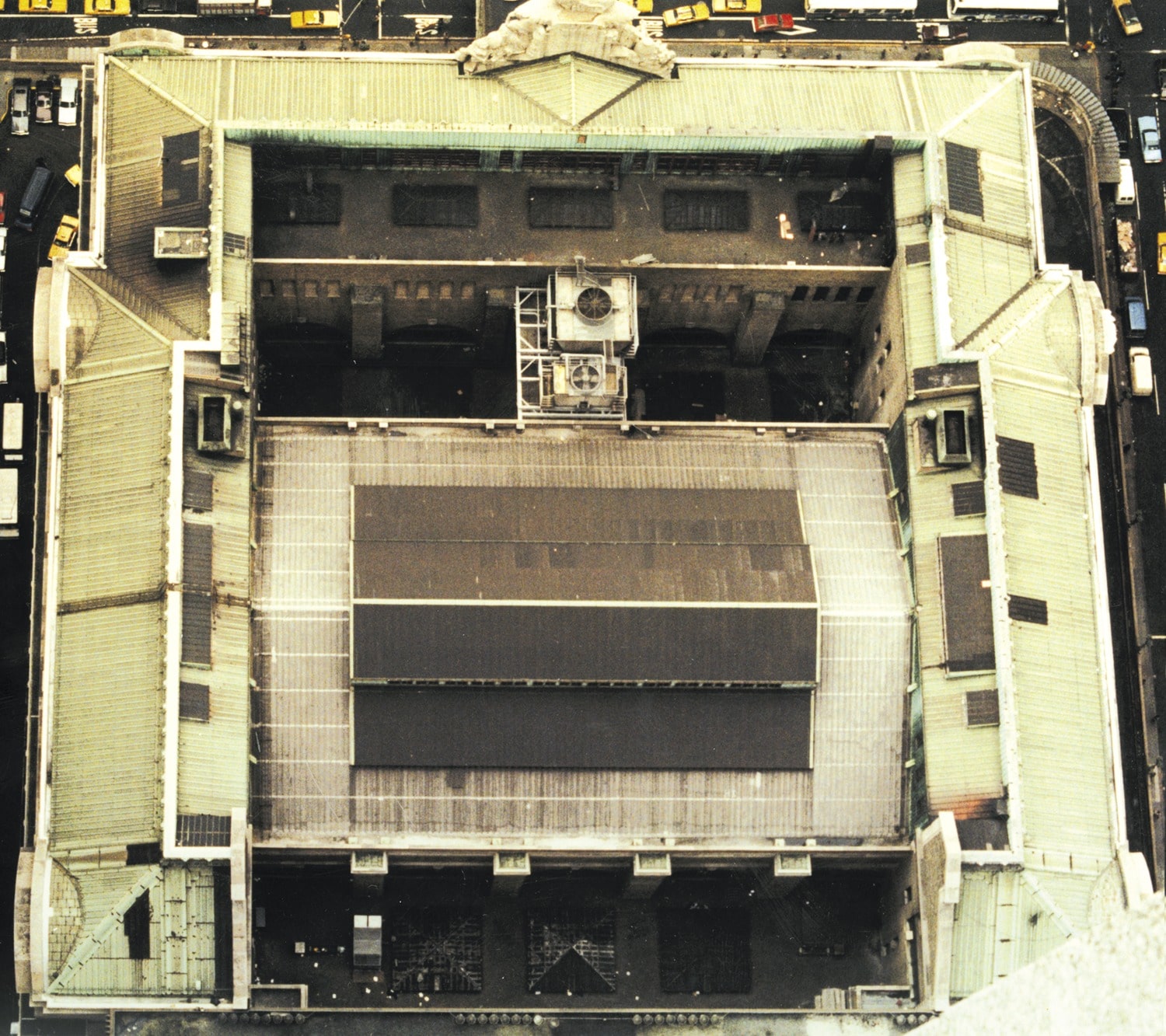
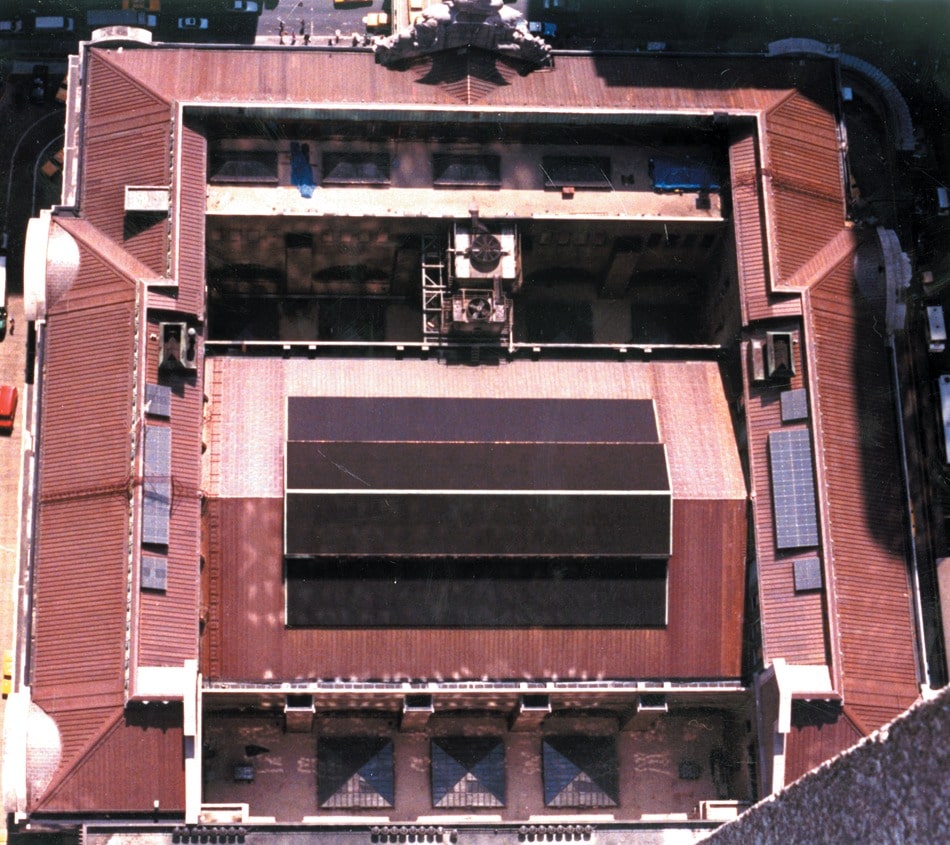
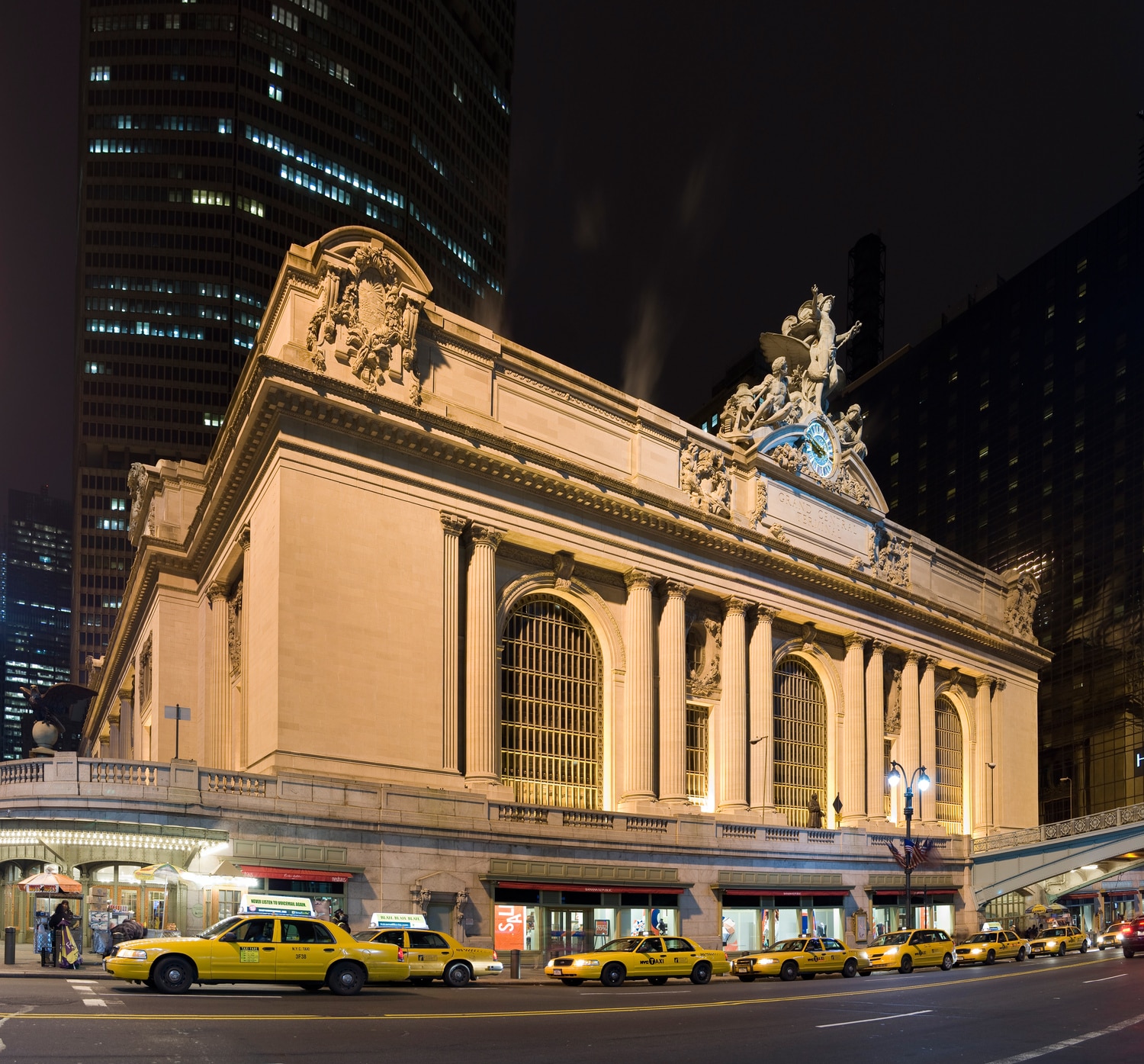
Constructed between 1903 and 1913 and listed on the National Register of Historic Places, Grand Central Terminal is a monumental Beaux-Arts Neo-Classical building designed by Warren & Wetmore. As part of a major renovation, SGH investigated roof and skylight leakage and general material degradation.
After thorough investigation, including extensive sampling and water testing, SGH developed a rehabilitation program for the roofs and skylights to address:
- Fractured copper roofing as a result of thermal expansion/contraction that was not accommodated by the original design details
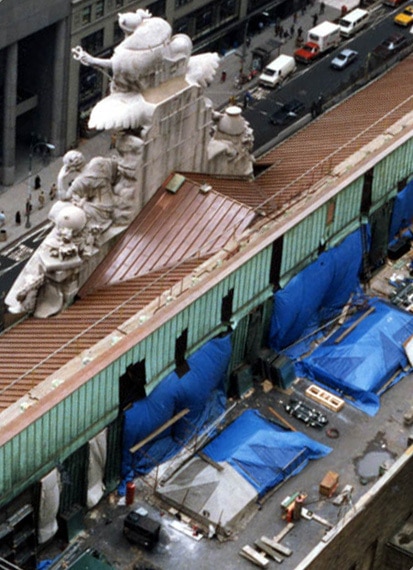
- Decades of “mastic” repairs that compromised ornamental copper details
- Broken skylight glass and skylights that were still partially covered with “black-out” building paper, a relic of World War II air raid precautions
We prepared plans and specifications, monitored the construction, and developed quality control inspection procedures for the repairs that included:
- Restoration of the rooftop stamped copper frieze with the installation of a concealed waterproofing membrane inside the copper enclosure to preserve the important ornamental element without sacrificing the building’s watertight integrity
- In-kind replacement of the batten seam copper roofing incorporating proper movement joints to ensure reliable and durable performance
- Replacement of skylight glazing to restore the light transmission of the original skylight, while providing impact resistance, condensation control, and energy efficiency consistent with current standards
Project Summary
Solutions
Repair & Rehabilitation | Preservation
Services
Building Enclosures | Applied Science & Research
Markets
Transportation & Infrastructure
Client(s)
Lee Harris Pomeroy Architects, PC
Specialized Capabilities
Condition Assessments | Preservation | Facades & Glazing | Roofing & Waterproofing | Environmental Simulations
Key team members
Additional Projects
Northeast
Development of Locomotive Crashworthy Components
Train collisions involving locomotives can result in serious damage and occupant injury due to the larger size and stiffness of the locomotive. SGH assisted TIAX, LLC and the Volpe Center with designing a crash energy management system for a locomotive along with material and component testing.
Northeast
ITC Crossing
During construction of the ITC Crossing development, sections of corrugated metal pipe (CMP) and reinforced concrete pipe (RCP) in the storm drainage system were found to be structurally distressed and damaged. SGH investigated the extent and cause of the problems and developed repairs.