Washington, DC

Pentagon, Building Performance Study

Scope/Solutions

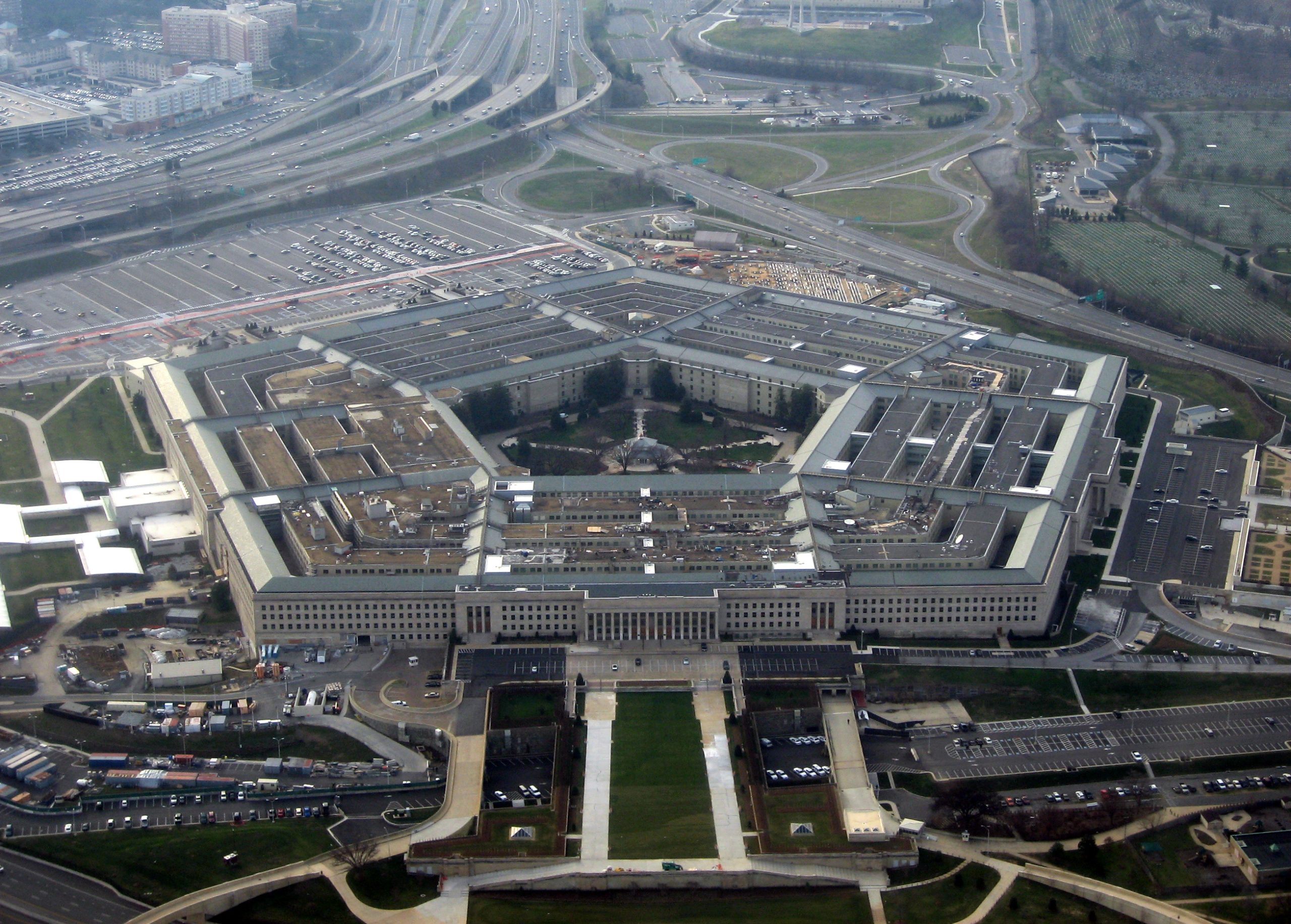
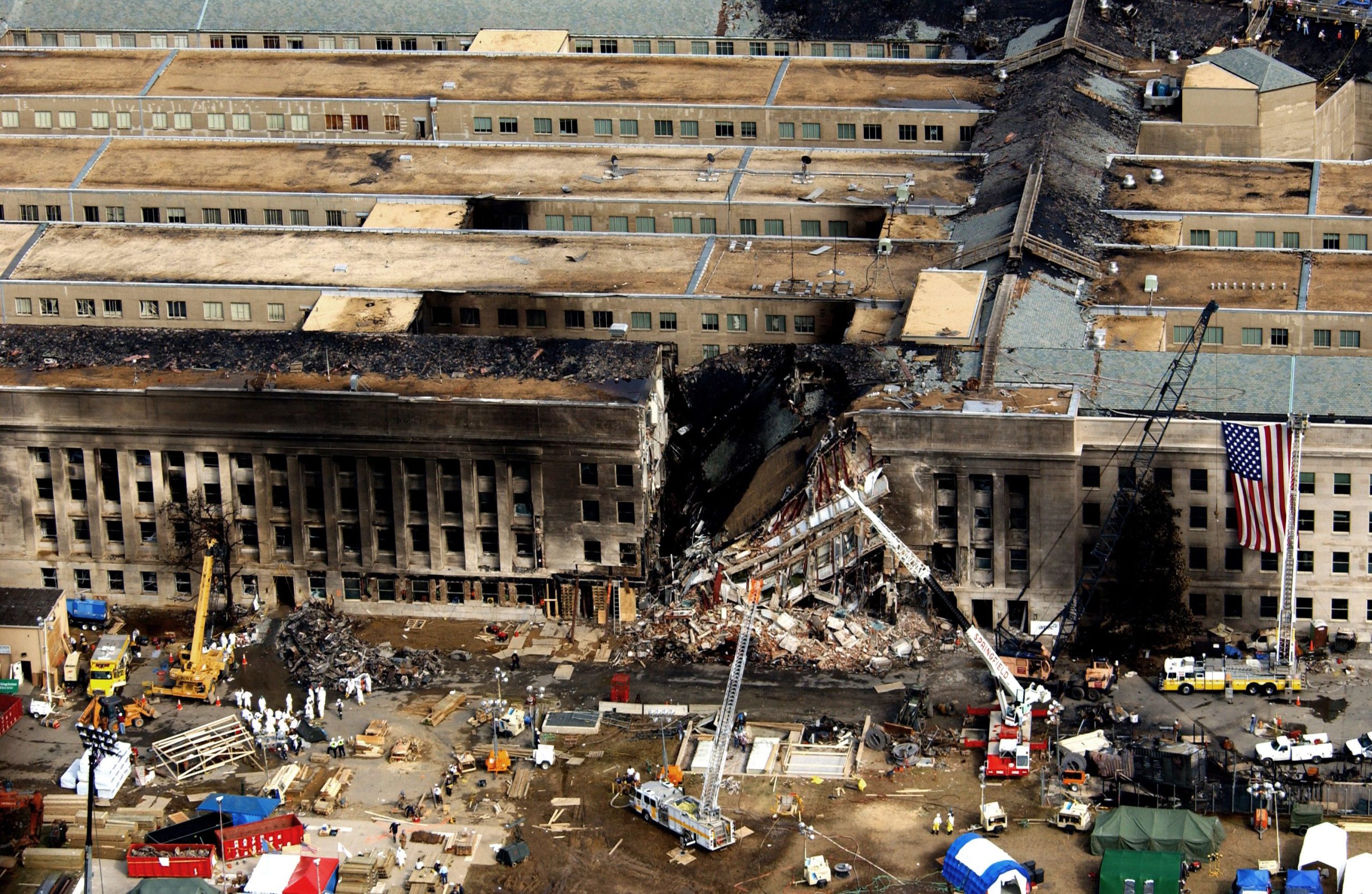
On the morning of 11 September 2001, hijackers crashed a commercial plane into the Pentagon.  Following that attack, the American Society of Civil Engineers established a building performance study (BPS) team to examine the structural performance of the Pentagon in the crash and the subsequent fire.  SGH served on the six-member BPS team, who authored The Pentagon Building Performance Report.

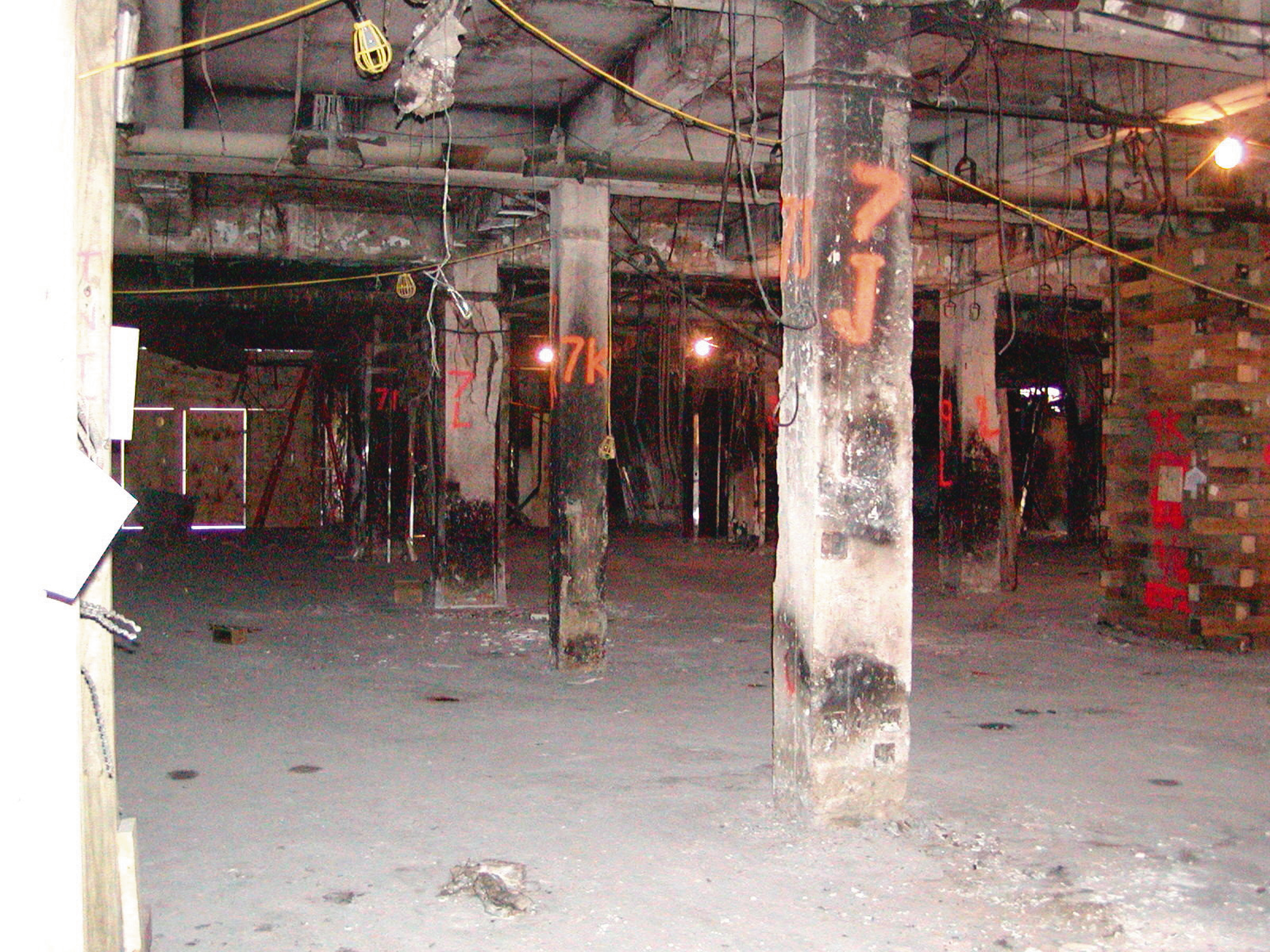
The BPS team visited the site to document the extent of damage and noted two primary structural items of interest.  First, many of the first floor columns in the area impacted by the airplane were destroyed during the crash.  Second, the partial collapse of the damaged area did not happen immediately.

The team evaluated why portions of the building collapsed and others remained standing.  They also investigated the influence of the ensuing fire on the delayed collapse.

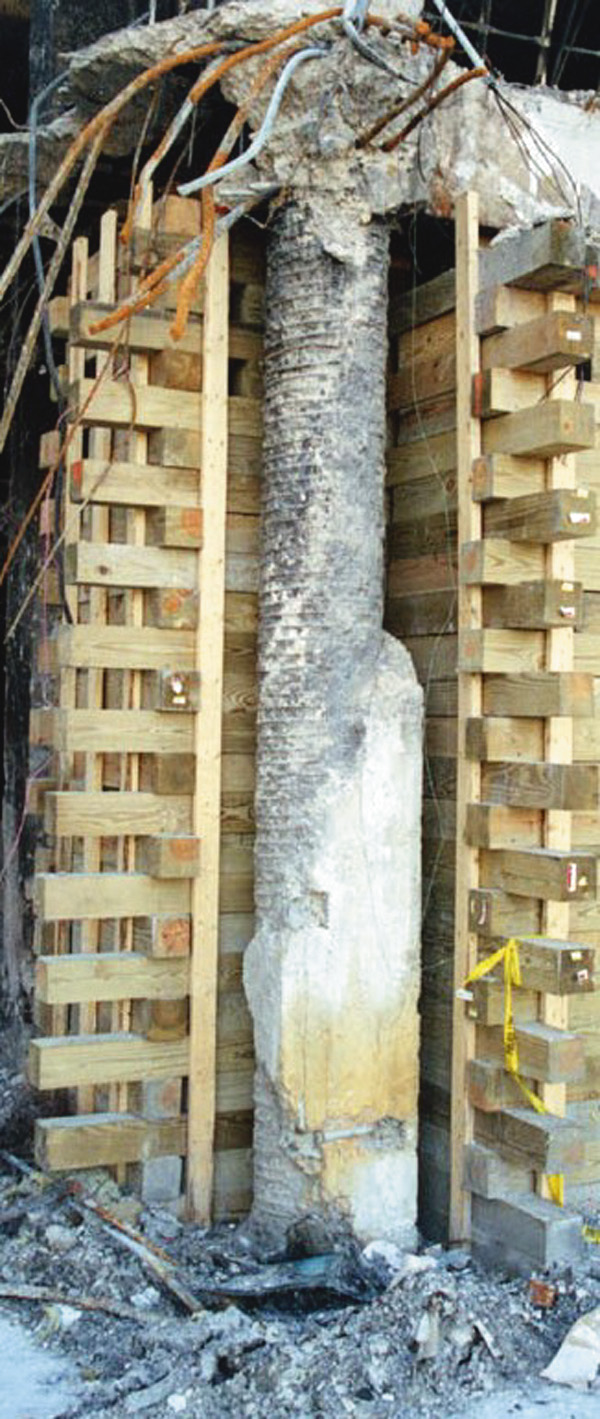
The team confirmed that the concrete structure with its inherent robustness performed well in consideration of such unprecedented loads.  They determined spiral reinforcement added considerable ductility to concrete columns, continuous reinforcement allowed beams to span greater distances, and two-way slab construction added significant redundancy.  Ultimately, the team concluded that these structural details, with additional help from the reserve capacity associated with a high original design live load, likely saved dozens of lives.
Project Summary

Icon: completion-date

2003

Completion Date
Solutions
Failure Investigation
Services
Advanced Analysis | Performance & Code Consulting
Markets
Government
Client(s)
American Society of Civil Engineers
Specialized Capabilities
Failure Analysis | Risk & Resilience Assessment

Additional Projects

Mid-Atlantic

Thomas Jefferson Memorial

Originally constructed in the early 1940s, the Thomas Jefferson Memorial sits on the south bank of the Tidal Basin adjacent to the Potomac River in Washington, DC. SGH provided structural engineering services as part of a phased restoration to various elements of the monument.
Explore
Mid-Atlantic

Central Records Complex

The Federal Bureau of Investigation needed space to house and automate the storage of their extensive file collection. SGH consulted on the building enclosure for the design-build project, led by Clark Construction Group.
Explore