Boston, MA

Red Hat, 300 A Street

Scope/Solutions

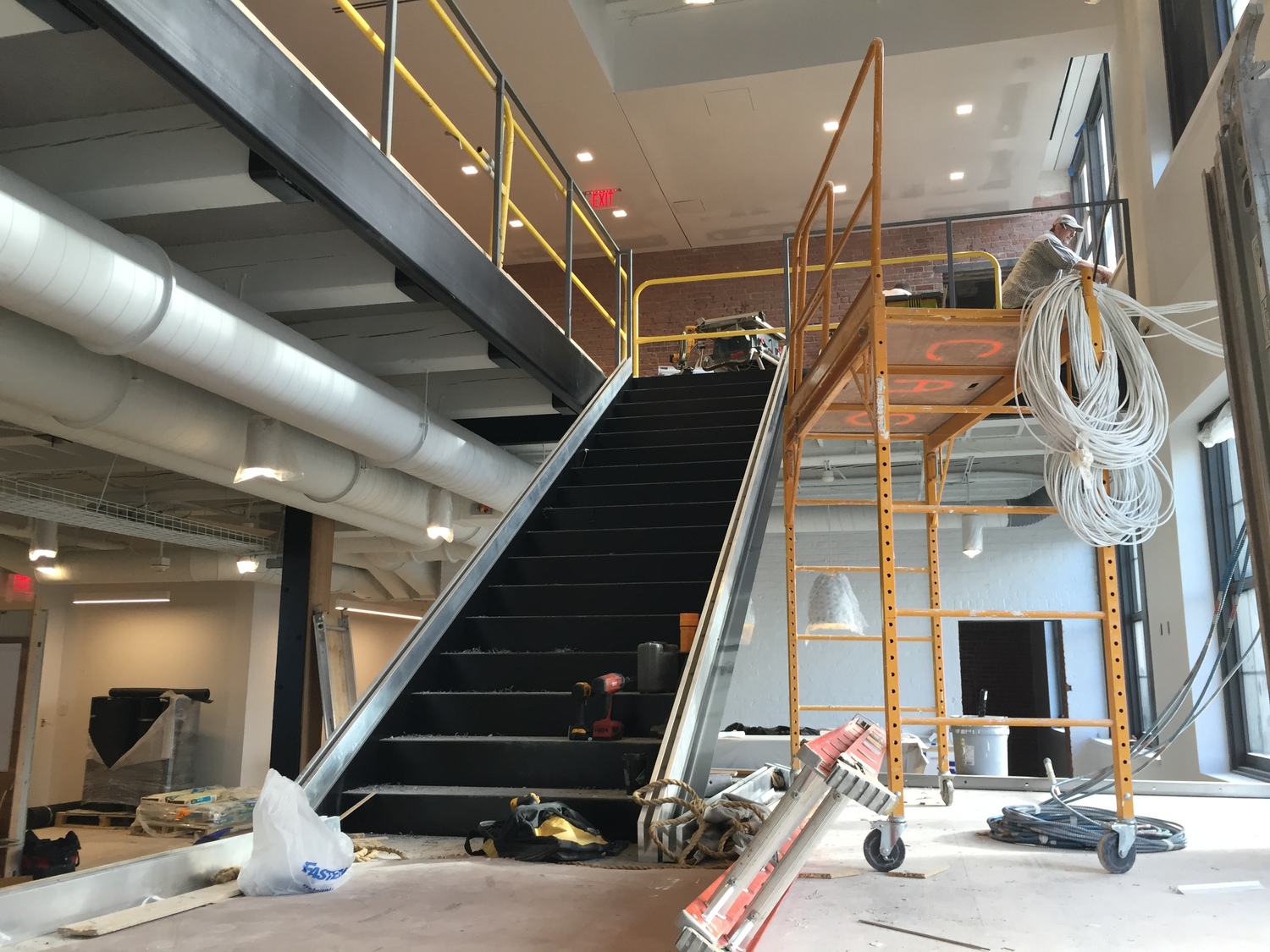
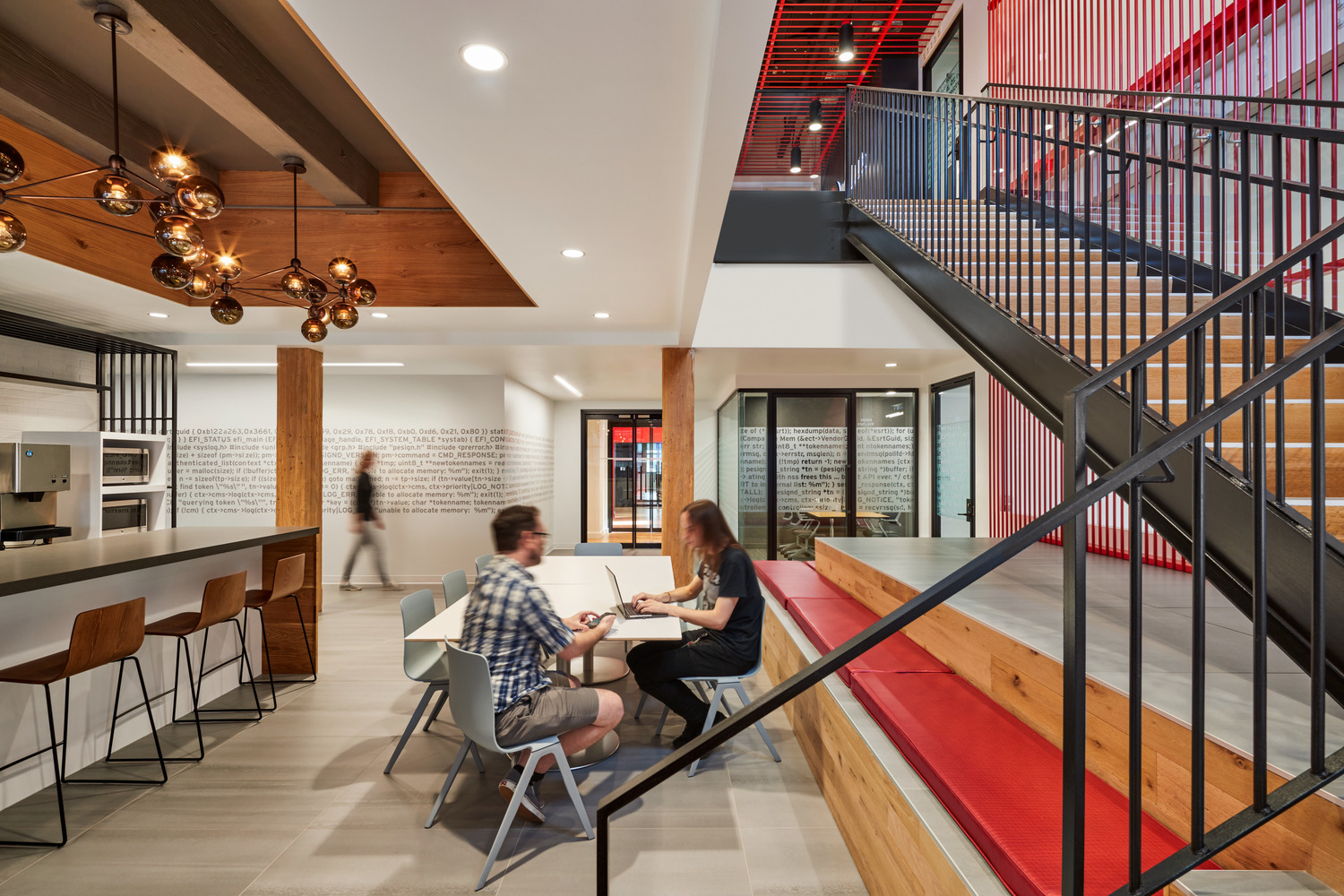
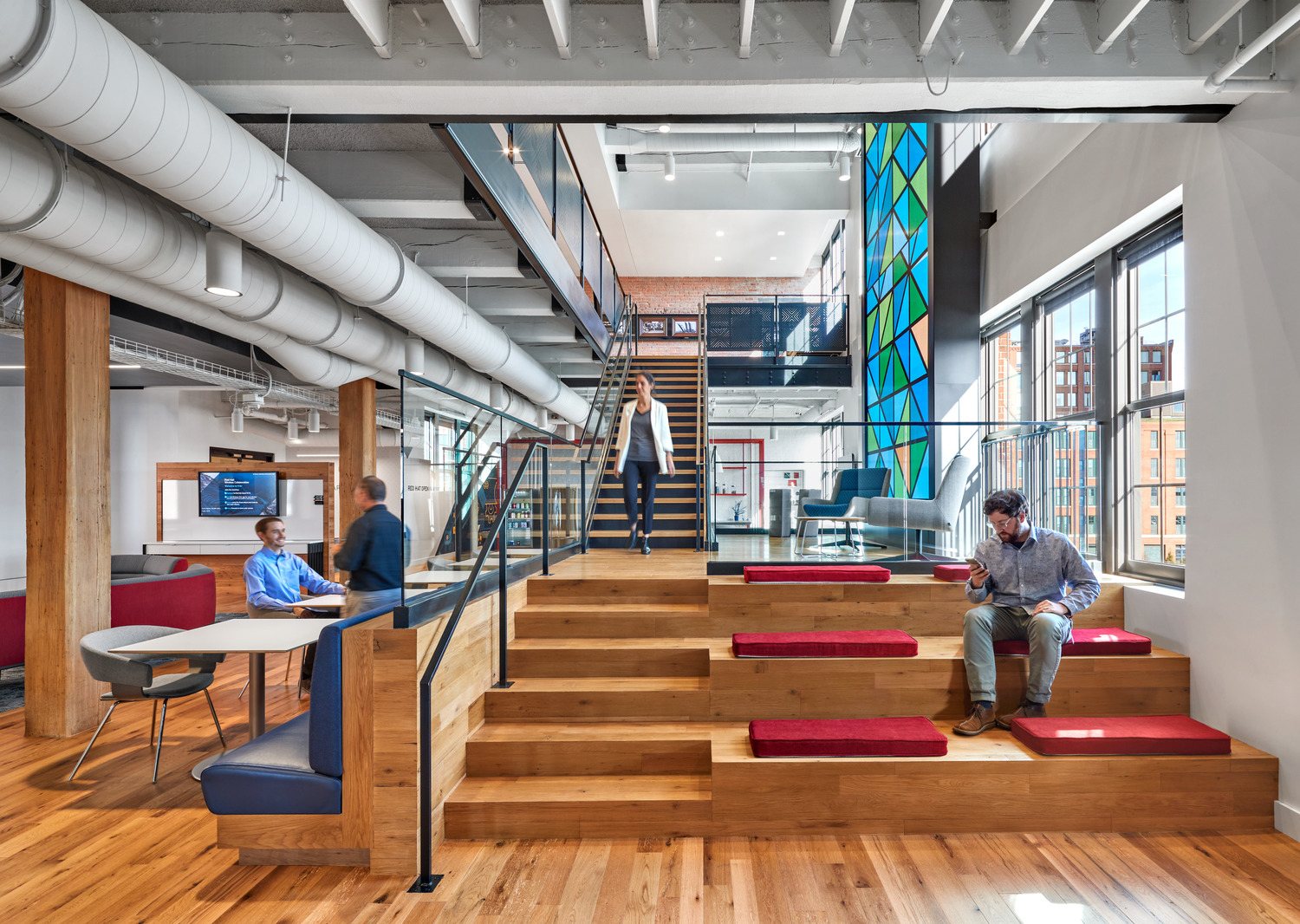
Red Hat’s new Boston location converts two floors in a former mill building in the Seaport District into a collaborative work environment infused with technology, including an LED screen wall. The design showcases the mill’s mass masonry walls and heavy timber framing. SGH evaluated the existing structure for the new use and designed structural modifications to accommodate new features in their interior fitout.

SGH visited the site to visually grade all the existing timber framing and obtained wood samples to determine the species. We used this information to evaluate the floor’s adequacy to support the intended office loads and new gypcrete topping slabs, and designed structural strengthening for the timber columns and beams.

We also designed structural modifications, including the following:
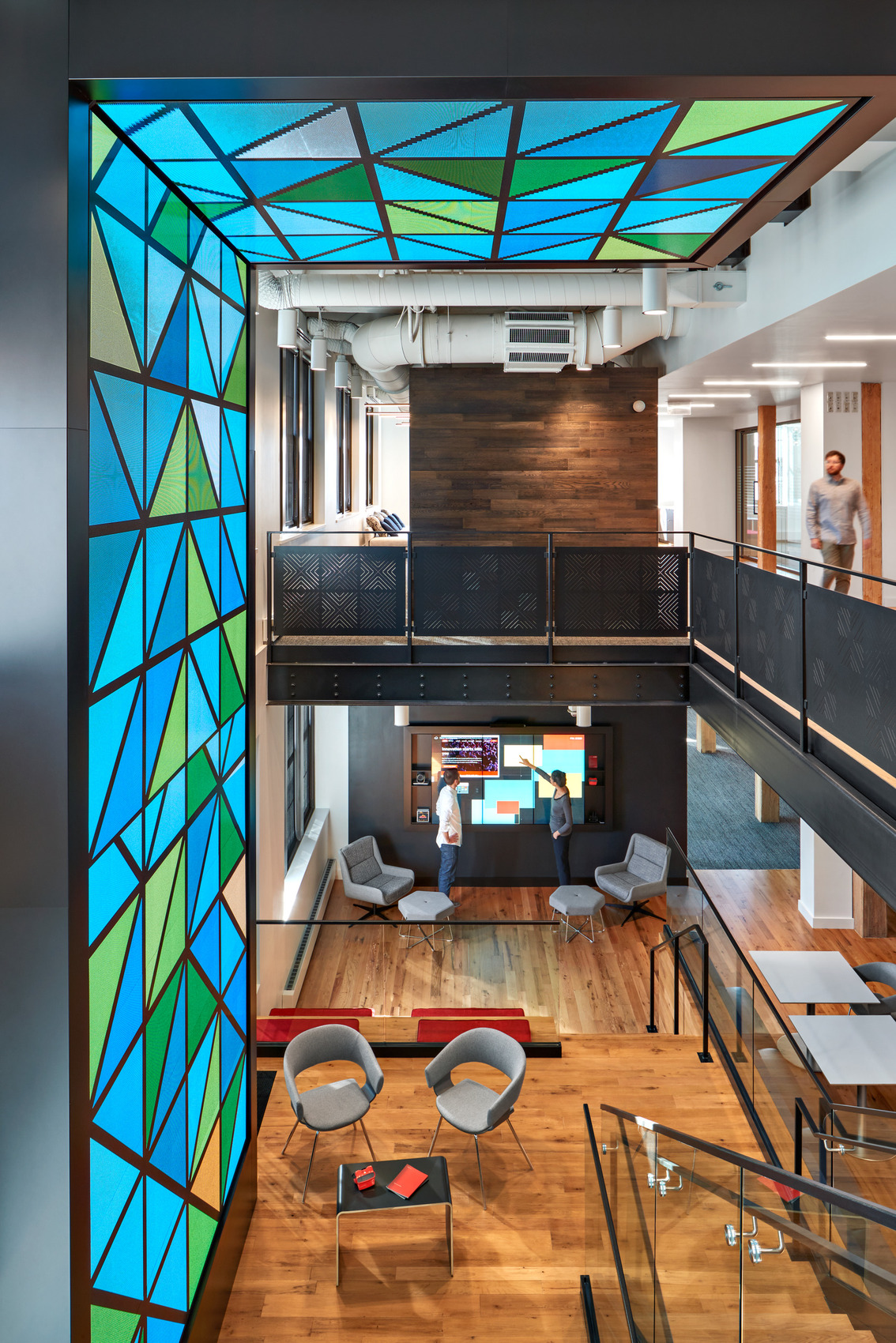
  • New staircases, including a feature lobby stair and a dedicated stair for the engineering wing, a mezzanine platform, and corresponding floor openings
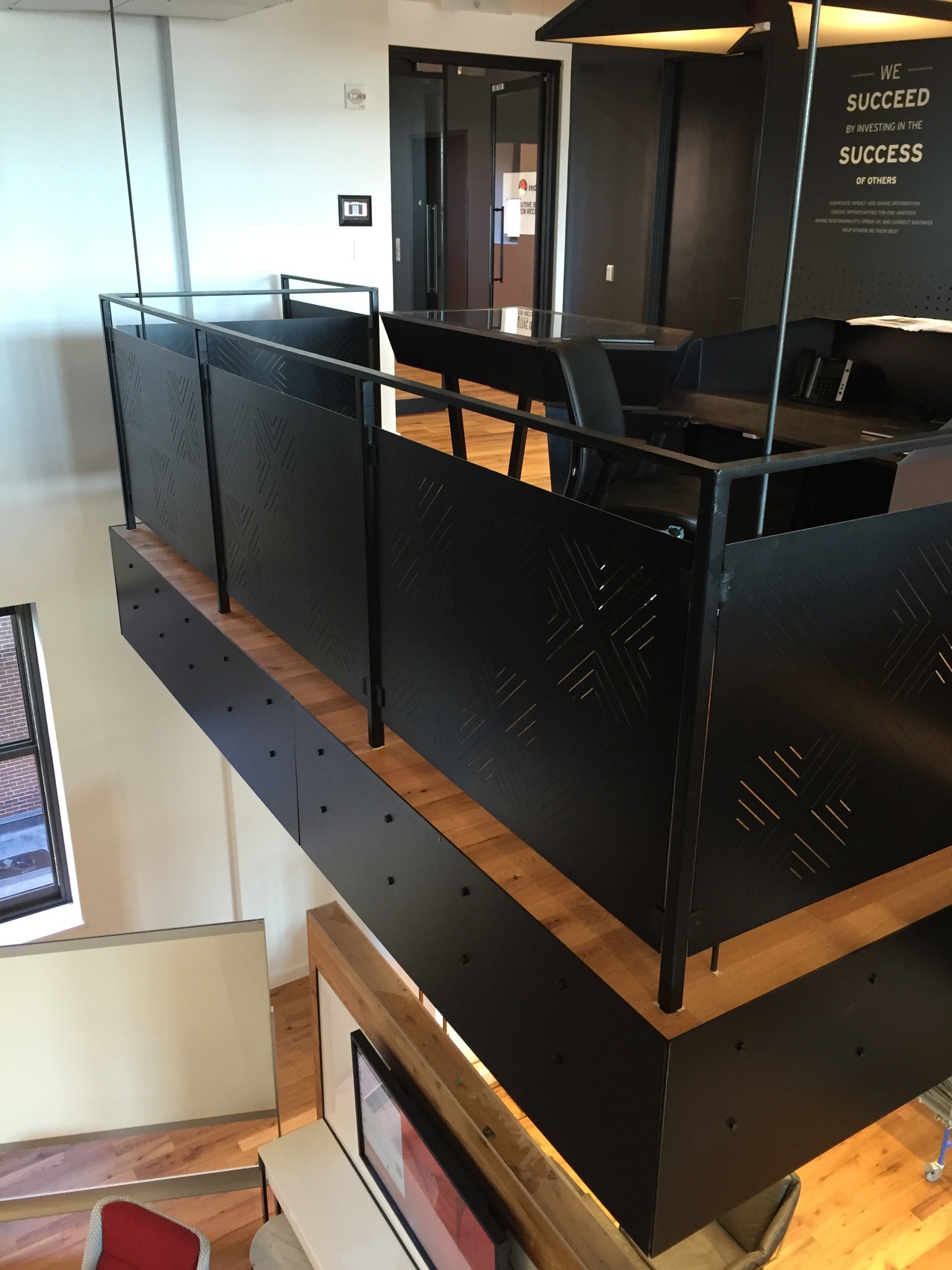
  • A reception area projecting into a new floor opening and suspended from above
  • Support for a suspended collaboration room in the lobby
  • Attachments for operable barn door partitions
  • Floor strengthening for a large conference table with hydraulic-powered adjustment

Project Summary

Icon: completion-date

2017

Completion Date
Icon: award-winner

Award

Winner
Solutions
New Construction
Services
Structures
Markets
Commercial
Client(s)
IA Interior Architects
Specialized Capabilities
Building Design

Key team members

Paul Kassabian
Principal

Additional Projects

Northeast

Cambridge Discovery Park

Cambridge Discovery Park is a 27-acre site with a master plan to build 820,000 sq ft of rentable space. As structural engineer of record, SGH designed three base building structures.
Explore
Northeast

Back Bay Hilton Parking Garage

The 300-car Back Bay Hilton parking garage was built in 1981. Cambridge Seven Associates retained SGH to assess the condition of the parking decks and develop alternatives to repair existing distress and deterioration, control leakage, and extend the useful life of the garage.
Explore