

New York, NY
MTA Subway Station Elevator Replacements
Scope/Solutions
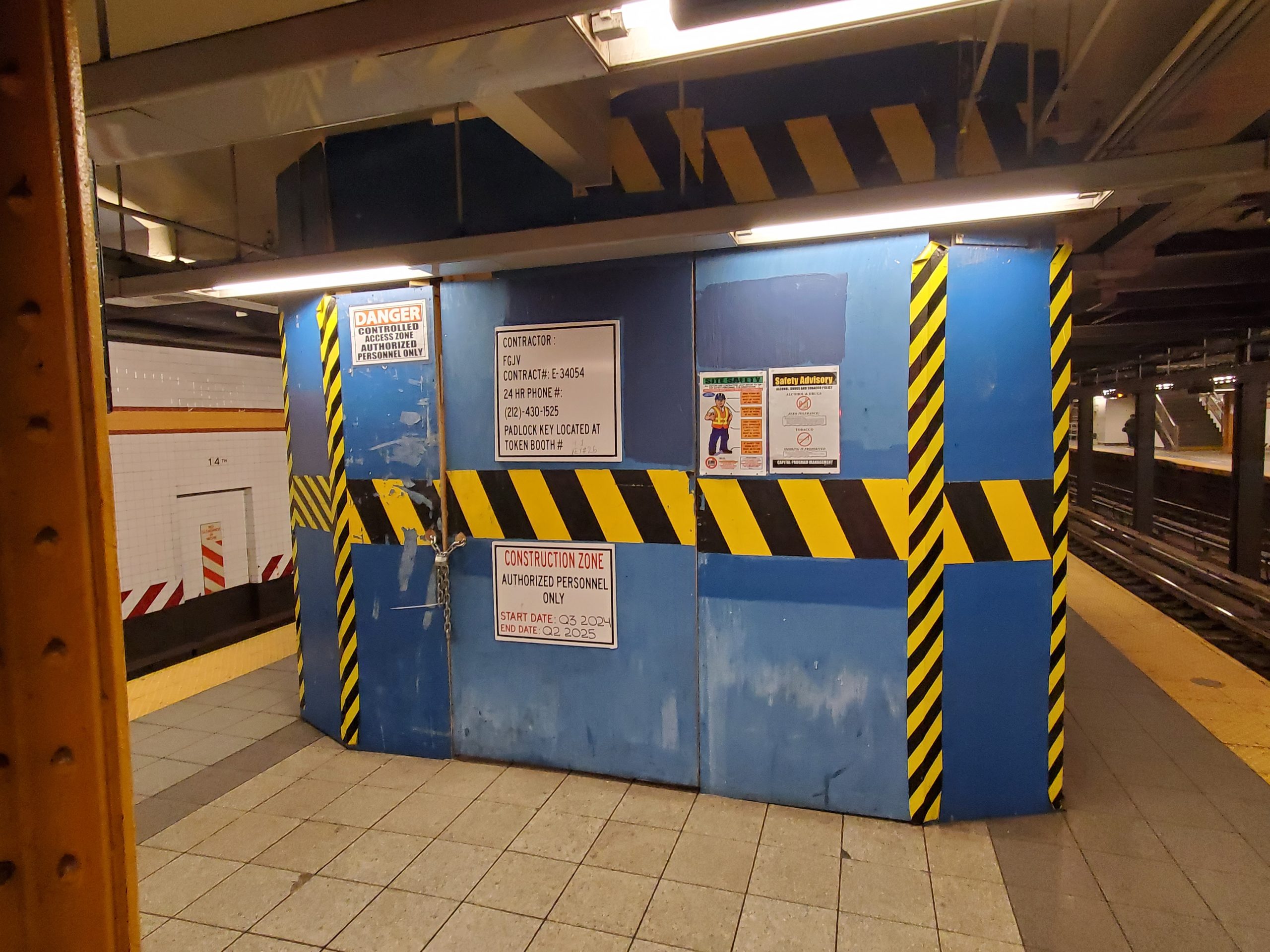
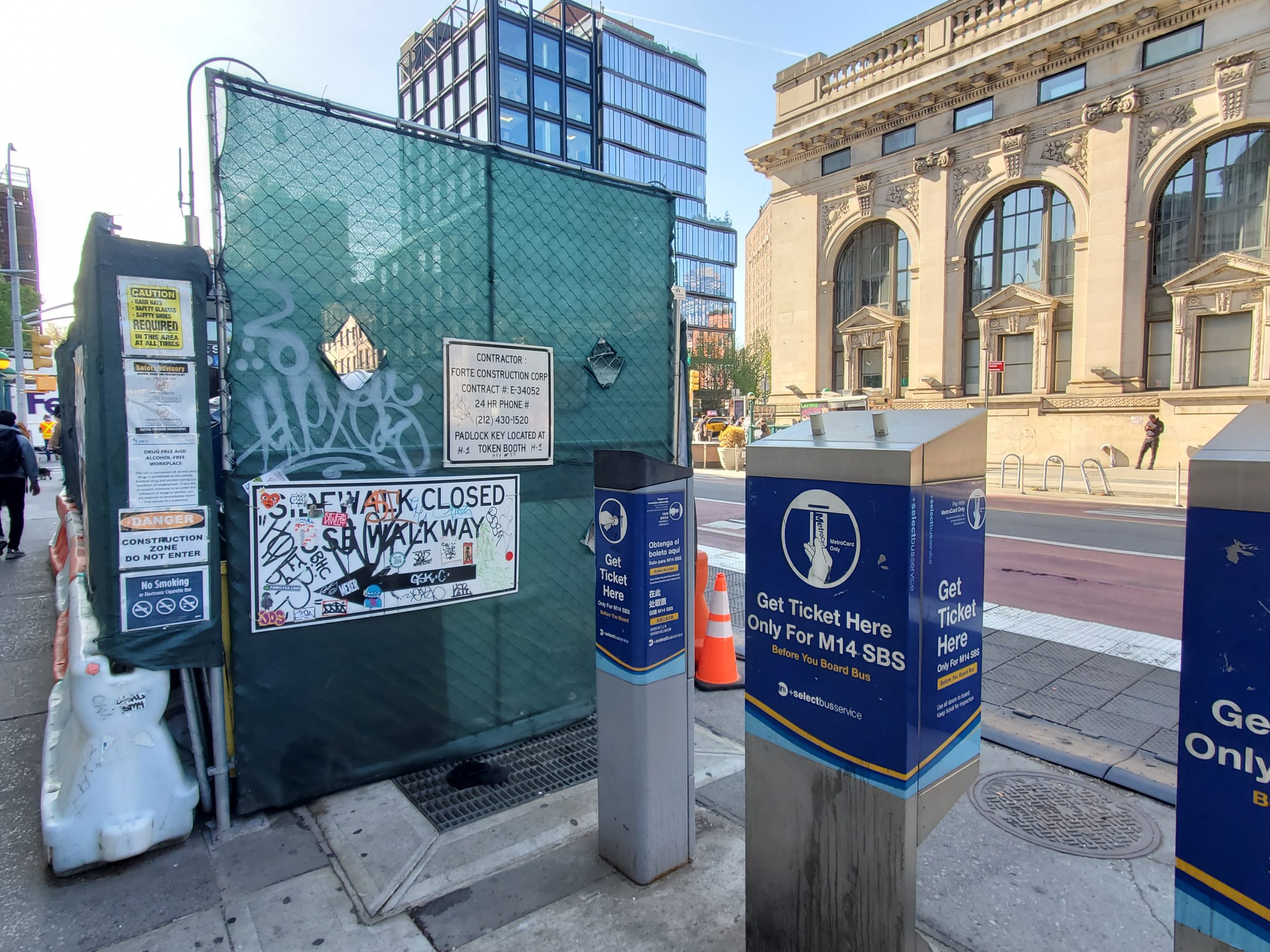
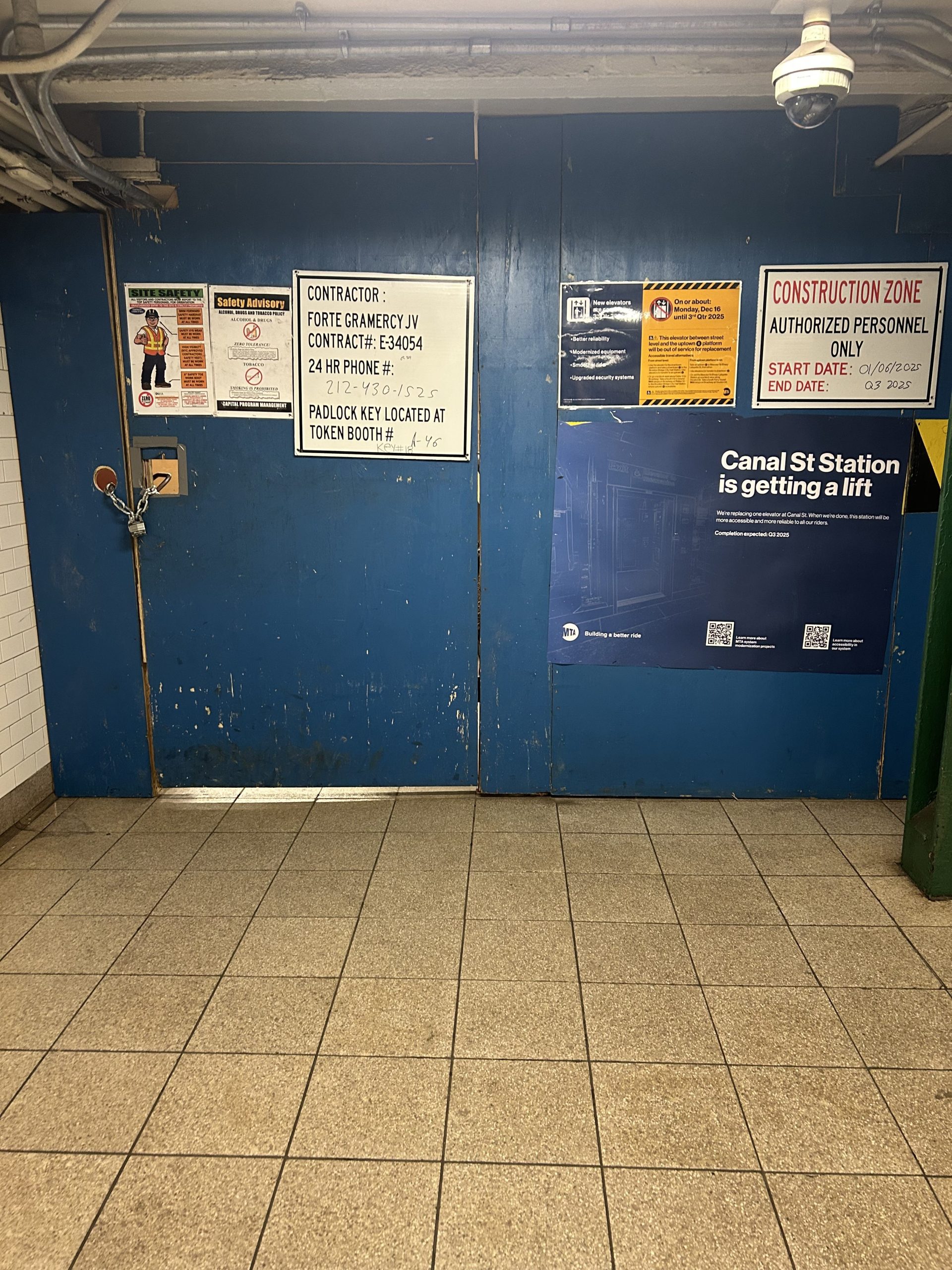
Portions of the New York City subway have been open for more than 100 years and many stations do not meet modern accessibility standards. The Metropolitan Transportation Authority (MTA) undertook a project to replace and upgrade elevators at twenty-six subway stations, including nineteen that lacked an accessible entry. SGH consulted on fire life safety aspects of the installations.
SGH worked with the general contractor and the MTA, who served as the Authority Having Jurisdiction for the project. Highlights of our work include:
- Helping establish the code compliance plans for each station and identifying aspects of the project that are subject to code compliance requirements
- Completing a code compliance checklist for each station
- Evaluating the impacts of new exterior canopies and structural members to be installed at specific stations
- Reviewing existing building codes, ADA compliance, the Uniform Code Provisions for Rail Stations, and NFPA 130 to verify elevator compliance
- Assessing existing structural steel framing to determine fireproofing needs and implement structural steel fireproofing, where required.
- Collaborating with the project team to address compliance issues
1 of 3
Project Summary
Solutions
Repair & Rehabilitation
Services
Performance & Code Consulting
Markets
Infrastructure & Transportation
Client(s)
Forte Construction Corp
Specialized Capabilities
Fire Life Safety & Accessibility
Key team members
David Jacoby
Managing Principal, Engineering Mechanics and Infrastructure, Fire Engineering
Additional Projects
Northeast
Jamaicaway Towers Parking Garage
P.J. Spillane engaged SGH to develop and design means and methods to provide temporary support while three columns supporting the three-level concrete garage structure were removed and replaced.
Northeast
Bradley Palmer State Park Pedestrian/Equestrian Bridge
Built in the early 1900s, the pedestrian/equestrian bridge over the Ipswich River at Bradley Palmer State Park was closed because of deterioration. SGH investigated the structure and developed a rehabilitation program.


